


Unveiling the stories of legendary gambling icons
The Allure of Gambling: A Historical Perspective
The history of gambling stretches back thousands of years, encompassing various cultures and traditions. From the ancient Chinese playing tiles to the Roman Empire’s betting on gladiatorial contests, the allure of chance has fascinated humanity. Early gambling was not merely an activity for entertainment; it was a social phenomenon that fostered community bonds and rivalries. Today, casino culture reflects this deep-rooted history, transforming into a global industry worth billions, and many enthusiasts turn to https://fastestvpn.com/igaming/sports-betting-uk/ to explore even further.

In the Middle Ages, gambling evolved, with the introduction of card games, which became a staple in European culture. These games required a mix of luck, strategy, and psychology, engaging players in a battle of wits as much as chance. The emergence of casinos in the 17th century, particularly in Venice, formalized gambling, giving rise to elegant venues where the wealthy could indulge their passions. This laid the groundwork for modern casino culture, where glamour and intrigue are central to the experience.
As we progressed into the 20th century, gambling further transformed with the advent of technology. The introduction of slot machines revolutionized the gambling experience, making it accessible to a broader audience. Today, online casinos offer a virtual experience that mirrors the thrill of traditional establishments. This evolution reflects society’s changing attitudes towards gambling, highlighting its potential for both enjoyment and risk.
Icons of the Casino: Legendary Figures
The casino world is populated with remarkable figures whose stories define gambling culture. One of the most famous is Benny Binion, the founder of the World Series of Poker. Binion transformed poker into a widely recognized sport, attracting players and fans alike. His legendary Las Vegas casino, Binion’s Horseshoe, became synonymous with high-stakes games, and his innovative practices, such as allowing players to buy in with chips rather than cash, changed the game forever.
Another iconic figure is “The Duke of Poker,” Doyle Brunson, who brought strategic depth to the game. With his legendary book “Super/System,” he taught countless players about the intricacies of poker. Brunson’s success in the World Series of Poker, where he won multiple championships, cemented his legacy as a poker legend. His influence continues to resonate today, as many aspiring players look to his strategies for inspiration.
Additionally, the enigmatic figure of Phil Ivey, often dubbed the “Tiger Woods of Poker,” has captivated audiences with his skills and charisma. Ivey’s unmatched ability at the poker table and his controversial legal battles over edge-sorting practices in casinos demonstrate the fine line between skill and ethics in gambling. These legendary figures embody the spirit of gambling, showcasing the mix of talent, luck, and strategy that defines the casino experience.
The Psychology of Gambling: The Thrill and the Risks
The psychology behind gambling is a fascinating aspect that keeps players engaged and returning for more. The thrill of placing a bet and the anticipation of winning can lead to an adrenaline rush unlike any other. This rush is compounded by the social environment of casinos, where players celebrate victories together and commiserate losses. The excitement creates a unique atmosphere that draws people in, often leading to a desire to gamble again.
However, this exhilarating experience is not without risks. The phenomenon of gambling addiction is a serious concern that can have devastating effects on individuals and their families. The excitement of winning can create a false sense of control, leading to repeated risk-taking behavior. Understanding the psychology behind gambling can help in addressing these issues, promoting responsible gaming practices, and creating awareness about the potential dangers.
Moreover, casinos often employ psychological tactics to enhance the gambling experience. The use of music, lighting, and layout is meticulously crafted to prolong the time spent in gaming areas. This design influences player behavior, encouraging them to stay longer and spend more. Recognizing these psychological elements can empower players to make informed decisions, balancing enjoyment with awareness of risks.
Legends Beyond the Table: The Cultural Impact of Gambling Icons
Gambling icons have significantly influenced popular culture, transcending the casino floor to become symbols of risk-taking and adventure. Movies like “Casino Royale” and “Rounders” have captured the drama and allure of gambling, portraying iconic characters who embody the thrill of high-stakes games. These representations shape public perceptions of gambling, glamorizing the lifestyle while also highlighting its potential pitfalls.
Moreover, literature has explored the complexities of gambling through characters who navigate the highs and lows of the gaming world. Classic works like Dostoevsky’s “The Gambler” delve into the psychological ramifications of gambling, shedding light on the obsession that can accompany the pursuit of luck. This literary exploration adds depth to our understanding of gambling, illustrating the fine line between passion and addiction.
The impact of gambling icons also extends to philanthropy and social responsibility. Many legendary figures have leveraged their success to contribute to charitable causes, advocating for responsible gaming and supporting communities. Their stories often serve as cautionary tales and inspirational narratives, emphasizing the importance of balance in gambling and the potential for positive change when harnessed for good.
Exploring the Casino Culture of Today
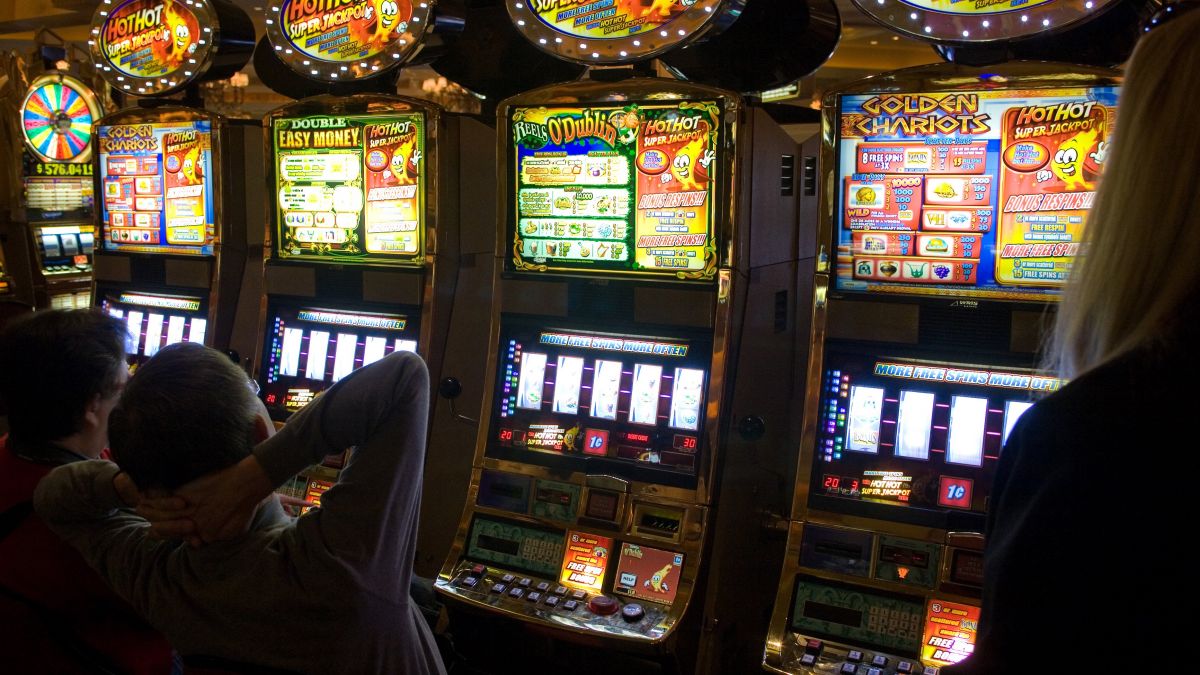
Modern casino culture reflects a blend of tradition and innovation, where the allure of classic games meets cutting-edge technology. Today’s casinos are designed not just as gaming venues but as multifaceted entertainment hubs, offering a range of experiences from fine dining to live performances. This evolution caters to a diverse audience, attracting both seasoned gamblers and newcomers looking for fun and excitement.
As the industry continues to evolve, the rise of online casinos has revolutionized the gambling landscape. Players can now enjoy their favorite games from the comfort of their homes, enhancing accessibility and convenience. Virtual reality and augmented reality technologies are on the horizon, promising to create immersive gaming experiences that replicate the thrill of a physical casino.
In this dynamic environment, responsible gaming practices have gained importance. Casinos are increasingly implementing measures to promote safe gambling, recognizing their role in fostering a responsible culture. This includes offering resources for players seeking help and creating awareness about the signs of gambling addiction. As the industry grows, the focus on player welfare remains paramount, ensuring that the thrill of gambling is balanced with safety and responsibility.